18/11/2024 Track Clearing. Leader: Phil Keene
The 2024/25 track clearing got off to a great start on 18 November with 8 highly skilled workers turning up for a work out
Taieri Recreational Tramping Club
Mid-week recreational and social walking group based in Mosgiel NZ

18/11/2024 Track Clearing. Leader: Phil Keene
The 2024/25 track clearing got off to a great start on 18 November with 8 highly skilled workers turning up for a work out
November 2024 update
The year marches on far too quickly and Xmas will be here before we know it, which means we would have been to the USA and Costa Rica and be back home!
Welcome
to Jill Thomas, Martin and Robyn Hickley, Rhonda Wilson and Peter Beal – we have enjoyed walking and talking with you.
Committee deliberations and follow ups
– As part of the ongoing ‘upgrade’ of web information, the upcoming trip programme will indicate a ‘P’ for permission required. Access to the details of private landowners are to be requested from either John Gardiner (trampers) or Wendy Langley (hikers). Details of access to private land is a courtesy from the landowner and the information is to be used solely for the purposes of organising club trips.
– Both the trampers and hikers bags that hold the emergency locator beacon for each group now also have tape, gauze and a splint to assist with managing minor wrist damage.
– Please note that the trip leader / tail end charlie must carry the beacon at all times, so for instance it is not appropriate to leave it behind inside a pack on the ground whilst everyone heads to a point of interest.
– The club uses three locator beacons, the trampers and hikers as mentioned and a third held by Phil K that is used mainly for the track clearing days. It was also to be used for recces where a plb is required. After discussion should a club plb be required, it was agreed that this third plb should be the one used for recces.
– We identified a gap in our procedures as recces are not listed on the trip programme. Where this plb – or either the trampers or hikers plb, if in your possession as leader for a walk the following week – is used a text or email to Clive Crossman 021866410/[email protected] needs to be done to advise him where you will be. If the plb is turned on our contact point can to the authorities when they call that a group/ someone is in that vicinity. Phil will also leave the 3rd plb with Clive (who resides at 15 Calluna Crescent, Heathfield, Mosgiel) when he is away from home. Thank you Clive for this support.
At the combined walk to Deep Creek Weir, John and Wendy provided a demonstration and chat on the use of plbs and how the process works.
– John Gardiner and Wendy Langley agreed to be the trip coordinators for the trampers and hikers respectively, and subsequently led the development of the summer trip programme now published. Any changes to the trip programme should be discussed with either as this helps to keep the left and right hand in sync. Many thanks to everyone for your trip suggestions, especially Spen and Jane who have enlarged our store of walks considerably.
– Barbara Shackell will be the social convenor (assisted by Jenni Wright and Raewyn Keene) and note 11 December for the Xmas walk and lunch at Takitakitoa Wetland and Momona Hall.
– As time moves on ‘things have changed’ as Bob Dylan sang, so Phil will edit the trip guidelines to reflect those and have this ready for the next Committee meeting in the new year.
– Ross Davies redid the fuel calculations and a revised cost per km was agreed to be reflected in the summer programme. A reminder that where a recce is done for a trip that has a fee per passenger of $10 or more then the driver can claim three times that fee for the recce. An email to the secretary confirming the recce was done and the date is sufficient to initiate payment.
– It was agreed that the webteam would send the pre-trip note to leaders requesting details of the nominated trip about three weeks in advance of the actual date. This helps get the final details of the trip identified and confirmed and aligned with the upcoming programme. If you find five minutes at some time have a read Trip Leaders and the Webteam
– When trip leaders submit the trip information for trips ‘over the hill’ in town or North of town or on the Peninsula to the web team for inclusion in the weekly update they need to be aware of and include the practice of where those who live in the City should meet.
City trampers meet
at Bayfield Park if the walk is on the Peninsula
at the Otago Yacht Club if the walk is down West Harbour
at Malvern Street, Woodhaugh if the walk is north over the Northern Motorway.
In these cases there is a $5.00 ‘discount’ from the passenger fee ex Peter Johnstone Park. Approximate the meeting time at these places should be no later than 20 minutes from the Peter Johnstone departure time.
Please also make sure in your notice that where to park cars at the start of a walk is clear and precise.
– As mentioned, our trip guidelines will be revised in the New Year. They do and will require that recces need to be undertaken. We do not want to be too prescriptive about the ‘how’ these are done but as a minimum access/bifurcations (forks in the road or track) need to be checked and assessed and be sufficient to ensure leaders are conscious of walkers needs on the day. Relying on memory is risky as the weather conditions could be different as well as the landscape has changed since you last undertook the walk.
– To let you know that Neville Griffiths has recently been inducted into the JP hall of fame. Anyone requiring of JP services feel free to contact Neville, he can bring his stamps along on a walk!
– thanks to those who have volunteered/apologised for our first track clearing day on Monday 18th Nov. We have a high-quality team and there will be more opportunities to assist in the New Year!
Wishing everyone all the best for the festive season and keep up that walking to offset the increased calorie intake. Note our first walk in 2025 is 15 January.
Cheers
Phil
Link to President’s Update information Library for previous updates
 30/10/2024. Greengage Track. Grade 5. Trampers. Leaders: Graeme Souter and Graham Thurlow.
Bah humbug how hard can this grade 5 tramp be? Heh heh they were about to find out as those who did the recce already knew what to expect.
 30/10/2024. 3 Kings from Heenan Road. Grade 3 Hikers. Leaders Dave Roberts Neville Griffiths.
On a chilly calm Morning 18 hikers set off from Mosgiel at 9am to pick up one hiker at Outram
Minutes of the 37th Annual General Meeting of Taieri Recreational Tramping Club held on Thursday, 14 August 2025, at the Taieri Bowling Club at 1.30 p.m.
Present: Phil Keene (Chair), Ady Whitson, Avis Williamson, Barbara Shackell, Betty Finnie, Bev Harvey, Bill Cubitt, Bruce Wright, Carole Morrison, Chris Wither, Clare Banks, Clive Crossman, Dave Mellish, Dave Roberts, Diane Paterson, Dorothy Bennett, Eleanore Ryan, Esther Willis, Gail Williams, Graeme Souter, Grant Shackell, Gwenda Farqharson, Heather Kirk, Heather Reid, Helen Morris, Jan Butcher, Jay Devlin, Jenni Wright, Jenny Finnerty, Jenny Wilton, Jill Dodd, Jill Reid, Jill Thomas, Jim Finnie, John Gardiner, Judy Dennison, Julie MacKenzie, Karen McInnes, Katrina McKenzie, Keith Munro, Kevin Burke, Lester Harvey, Linda Partridge, Lyn Keene, Maria Hickley, Martin Hickley, Neil Hodgkin, Neil Morrison, Pam Clough, Pam Cocks, Peter Beal, Phil Morris, Raewyn Keene, Ross Davies, Sandra Lawn, Shirley McRandle, Shona Munro, Sue Beal, Sylvie Watt, Val Cayford, Wendy Begley, Wendy Langley and Wyn Davies.
Apologies: Alex and Liz Griffin, Adrienne Ensor, Anne and Rod Ward, Carol-Anne Buchanan, Cathy Ferguson, Jan Palmer, Jan Yardley, Janette Abbot, Jenny Flack, Katherine Martin, Lynley McArley, Marijke Schofield, Maryam Purvis, Mike Webb, Neville Griffiths, Peter Davie, Rhonda Wilson, Robyn Hickley, Sandy Webb, Sarah McCormack, Shona Carruthers and Theresa White,
The minutes of the 36th AGM were taken as read, having previously been circulated. There were two minor amendments which have been incorporated into the amended minutes. Moved Wendy Langley, seconded Pam Cocks that they be confirmed as a true and accurate record. Carried.
None.
None.
Phil presented his report for the year, and this is attached to these minutes. Attached.
Phil Keene moved that his report be adopted, seconded by Jenni Wright. Carried.
The financial statement, previously circulated to members, was summarised by Jenni Wright.
The Committee at its meeting on Thursday 10 July 2025 recommended that the annual subscription increase to $15.00 and the joining fee remain at $10.00. The increase to $15.00 will help cover possible deficits if fuel costs for recces continue to increase, as well track clearing costs have been down by approx 50% this past year.
Graeme Souter moved the adoption of the Treasurer’s Report, seconded Neil Hodgkin. Carried.
Appointment of Reviewer for the Forthcoming Year
We are delighted to advise that Trevor Flack has agreed to be TRTC’s reviewer for the 2025-26 financial year.
President: Dave Roberts moved that John Gardiner be elected as President, seconded by Jill Reid. Carried Vice-President: Gail Williams moved that Lyn Keene be elected as Vice-President, seconded by Chris Wither. Carried
Immediate Past-President: is an automatic appointment.
Secretary: Bruce Wright moved that Wendy Langley be elected as Secretary, seconded by Barbara Shackell. Carried
Treasurer: Wendy Langley moved that Sarah McCormack be elected as Treasurer, seconded by Jill Dodd. Carried
Communications: Chris Wither moved that Ross Davies be elected as Communications Officer, seconded by Wendy Begley. Carried
Committee: Moved by Sylvie Watt and Seconded by Jay Devlin that the following be elected for Committee: Pam Cocks, Barbara Shackell, Graeme Souter, Esther Willis, Katrina McKenzie and Jenni Wright Carried
All positions for the election of officers were carried unanimously.
Immediate Past President Phil Keene was thanked for his services as President over the last four years by John Gardiner and presented with a small gift.
Outgoing Secretary/Treasurer, Jenni Wright was thanked by Wendy Langley for her services over the last four years and presented with a small gift.
Graeme Souter outlined the vast amount of work that has been done in the background to ensure that valuable historical information recorded is retained in a secure manner.
The meeting closed at 2.13 p.m.
Guest Speaker: Taylor Davies-Colley, Communications and Advocacy Lead, Orokonui Ecosanctuary, is an inspiring young man who gave a passionate presentation which was thoroughly enjoyed by all. The vision of the sanctuary: A healthy, self-sustaining ecosystem, free of all introduced mammals and comprising indigenous species that are appropriate to the Orokonui forest, where people can enjoy a peaceful encounter with nature, and from which they may take recreation, refreshment, new knowledge, new skills and a new commitment to conservation.
The Ecosanctuary is an amazing asset to our community.
Clive Crossman thanked Taylor for his informative presentation and presented him with a small gift of our appreciation.
The meeting concluded with afternoon tea.
Click on Map to Enlarge

This page of club tramps and hikes in the area West SH87 groups together trips to the Daisybank and Hyde township / rail trail. (map)
Road distances from Mosgiel carpark.
TRTC Grading Information – trips incorporating these trips are generally given a TRTC grading of about 2. This is indicative only, as trips can be allocated a higher or lesser grading depending on the route taken. For more detailed analysis refer to Grading Information.
Take SH87 from Outram and continue through Middlemarch to Hyde township (approx 20 minutes) and onto Daisybank a further 10 minutes. The Daisybank trail is part of the Otago Central Rail Trail and is clearly marked with signage on the right side of the road.
Bus Trip: Daisy Bank to Hyde. Rail Trail 2021 to 2002 (4 trips 3 with report and photos, 1 with no report or photos)
Minutes of the 36th Annual General Meeting of Taieri Recreational Tramping Club held on Thursday, 22 August 2024, 1.30 pm, Taieri Presbyterian Church Hall, Church Street, Mosgiel at 1.30 p.m.
Present: Phil Keene (Chair), Anne Ward, Betty Finnie, Bev Harvey, Bill Cubitt, Bruce Wright, Carole Morrison, Clive Crossman, Chris Wither, Dave Roberts, Diane Paterson, Dorothy Bennett, Eleanore Ryan, Esther Willis, Gail Williams, Graeme Souter, Grant Shackell, Gwenda Farqharson, Heather Kirk, Heather Reid, Helen Morris, Jan Butcher, Janette Abbott, Janice Yardley, Jay Devlin, Jenni Wright, Jenny Finnerty, Jenny Flack, Jill Dodd, Jill Reid, Jim Finnie, John Gardiner, Karen McInnes, Katrina McKenzie, Kevin Burke, Linda Partridge, Lyn Keene, Martin Hickley, Neil Morrison, Neville Griffiths, Pam Clough, Phil Morris, Raewyn Keene, Rhonda Wilson, Rod Ward, Ross Davies, Sandra Lawn, Sarah McCormack, Shona Munro,
Theresa White, Val Cayford, Wendy Langley and Wyn Davies.
Apologies: Ady Whitson, Alex and Liz Griffin, Cathy Ferguson, Judy Dennison, Kathryn Fagg, Pam Cocks, Shona Carruthers, Marijke Schofield, Di Bezett, Peter Davie, Barbara Shackell and Yan Campbell.
1. Minutes of Previous Meeting
The minutes of the 35th AGM were taken as read, having previously been circulated.
Moved John Gardiner, seconded Diane Paterson that they be confirmed as a true and accurate record. Carried.
2. Matters Arising
None.
3. Correspondence
None.
4. President’s Report
5. Phil presented his report for the year, and this is attached to these minutes. Attached.
Phil Keene moved that his report be adopted, seconded by Anne Ward. Carried.
6. Financial Report
The financial statement, previously circulated to members, was summarised by Jenni Wright.
Income for the year was $3,055.33, expenses $2,514.90, resulting in a surplus of $540.43. There was a timing issue with the income and expenditure. The mid winter lunch was paid after 1 July 2024. This
will be reflected in the 2025 annual accounts.
The Committee at its meeting on 27 June 2024, recommended that the annual subscription and joining fee remain at $10 each.
Jenni Wright moved the adoption of the Treasurer’s Report, seconded John Gardiner. Carried.
Appointment of Reviewer for the Forthcoming Year
We are delighted to advise that Trevor Flack has agreed to be TRTC’s reviewer for the 2024-25 financial year.
Jenni Wright moved that Trevor Flack be appointed as reviewer, seconded Phil Keene. Carried.
7. Election of Officers
Position Name Moved Seconded
President Phil Keene Karen McInnes Jill Dodd
Vice President John Gardiner Eleanor Ryan Pam Clough
Secretary/ Treasurer Jenni Wright Graeme Souter Theresa White
Existing Committee Pam Cocks, Graeme Souter, Barbara Shackell Unanimously carried
Committee (New) Esther Willis, Wendy Langley, Katrina McKenzie Unanimously carried
Position Name Moved Seconded
Communications Ross Davies Dave Roberts John Gardiner
The Committee as outlined above was appointed unanimously.
8. Life Membership
The President outlined the approach taken by the Committee to confer life memberships on members. The process outlined in the paragraph 4 (e) of the constitution was read. Jill Dodd was presented with Life Membership by Eleanore Ryan. Her citation outlined 13 years of exceptional service to TRTC.
Congratulations Jill from all of us.
9. General Business
Webteam: Ross Davies, on behalf of the Webteam, gave an update on their combined efforts. Ross also explained how the fuel costs were calculated and carefully monitored
The meeting closed at 2.20 p.m.
Guest Speaker: Roger Leslie, from East Taieri and author of On the Verge had completed the walk from Bluff to Cape Reinga to raise awareness for mental health. He was inspired at a young age by the writings of A. H. Reed and the money raised was for the Able Minds Trust. Roger was an inspirational and entertaining speaker, and many purchased his book which makes for informative reading.
 25/09/2024. Wakari / Kaikorai Loop. Grade 1.5. Hikers Leaders: Jenny Finnerty and Ady Whitson
Eventually 16 of us gathered at the meeting place and walked several metres along Wakari Road to the Bain Reserve
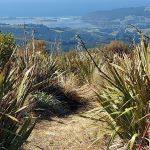 25/09/2024. Rustlers Ridge, Burns Track. Grade 4 Trampers. Leaders: Phil Morris and Sarah McCormack.
On a sunny Wednesday we headed to the Leith Saddle car park, to tramp the above hike.
Click on map to enlarge
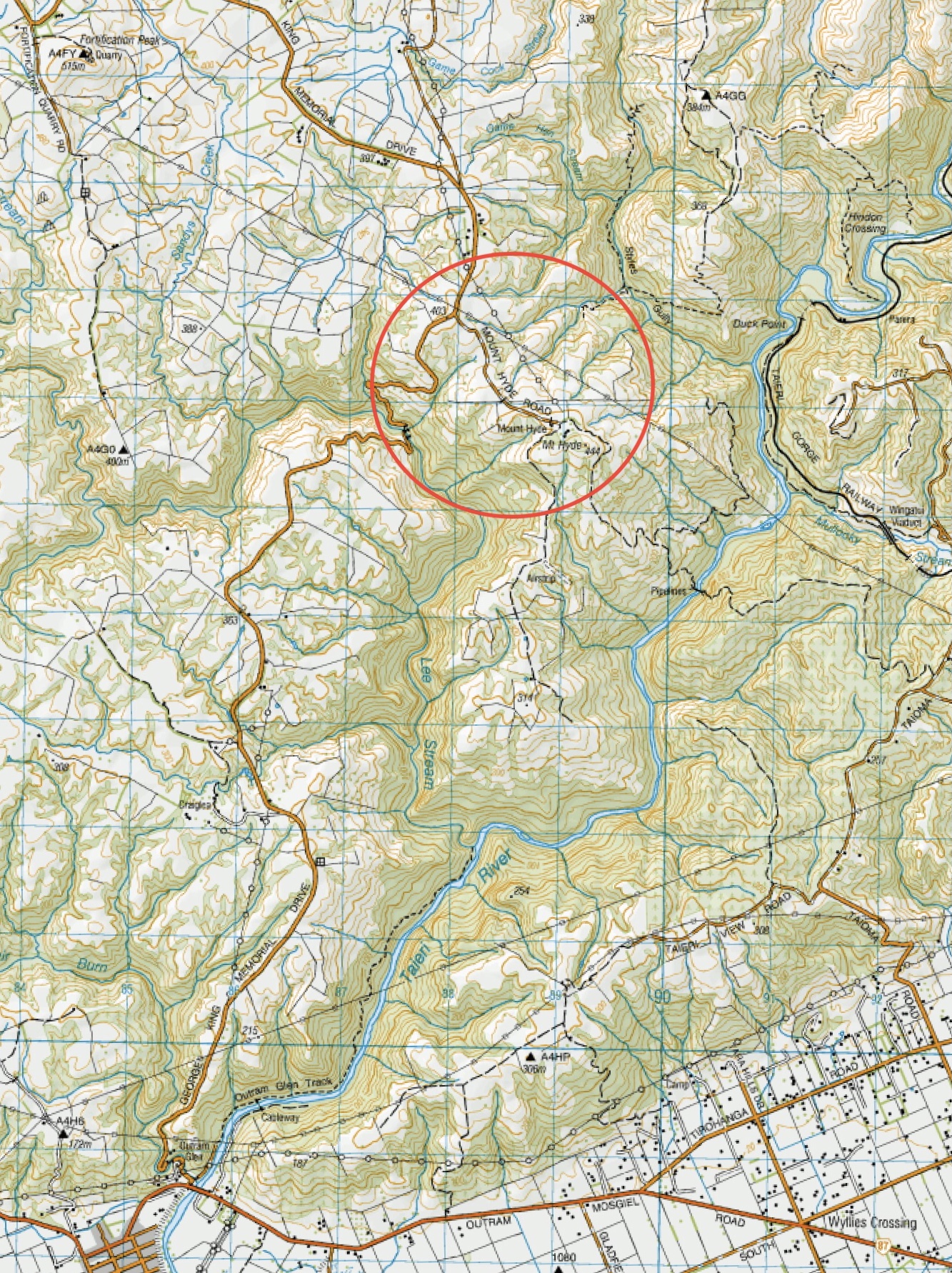
The following groups together the President’s Updates, issued periodically to ensure that all club members are kept informed of the goings on within the club.
Written By John Gardiner
April 2026
October 2025
Written By Phil Keene
May 2025
November 2024
July 2024
April 2024
November 2023
May 2023
February 2023
November 2022
August 2022
June 2022
April 2022
Dunback
Railway
McCormicks Creek Bridge
Cobb and Co Coaches
Waggoners
Hotels
Dunback School
Dunback Swing Bridge
Rabbit Canning Factory
Notes compiled by Neville Griffiths
Click on maps to enlarge
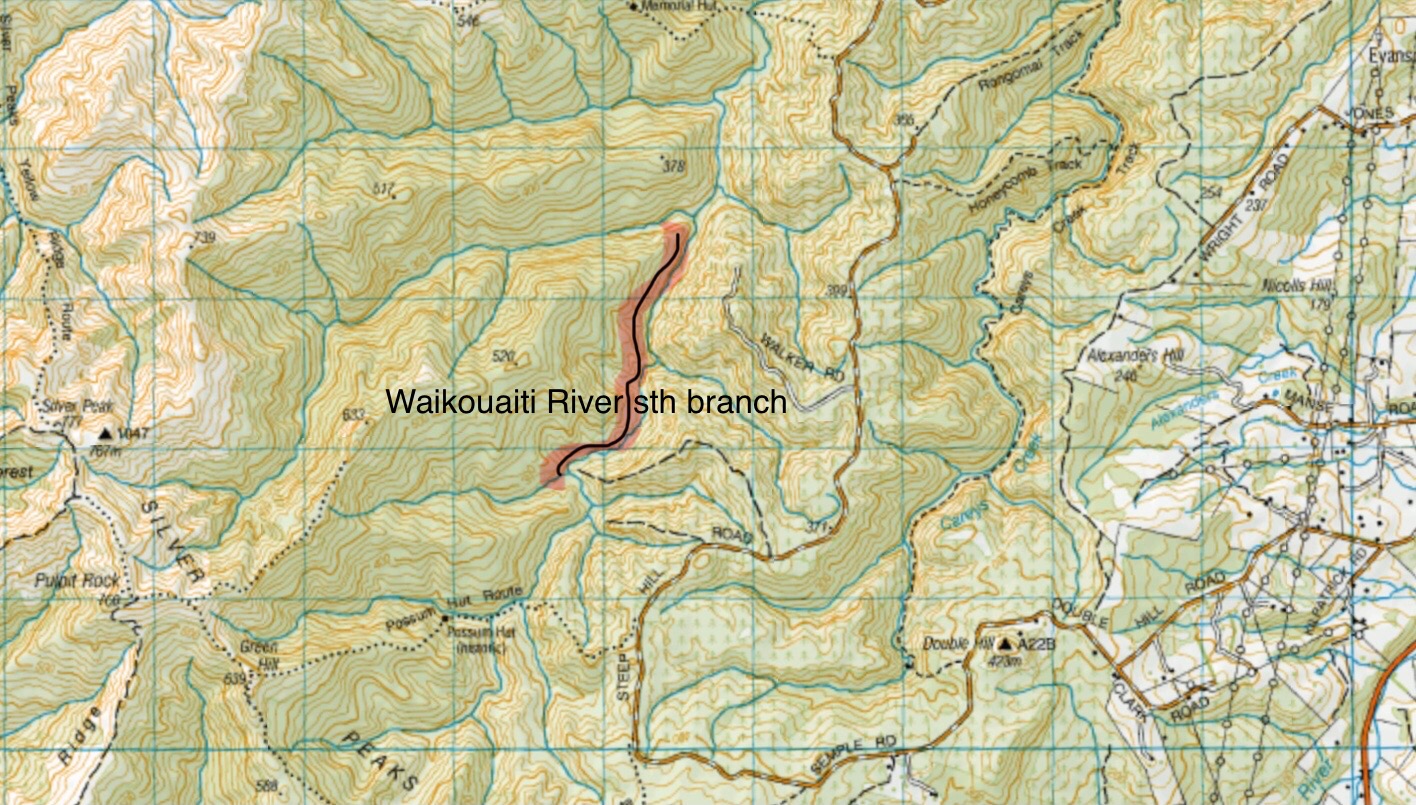
The River track of for the south branch of the Waikouaiti River is not shown on any NZ Topo maps. This image gives an approximation of the track route.
See also OTMC Silver Peaks Tracks