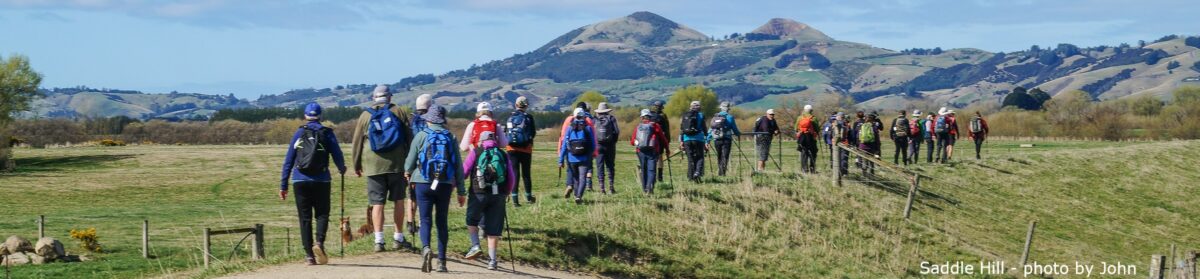
Dunback
- Dunback is a Scottish term meaning “hill and stream” – The Shag/Waihemo River runs through the Dunback area between the Macraes Hills on one side and the Grange Hills on the other. • Settled in the 1850s originally because of farming but also played an important role servicing and supplying the Central Otago Goldfields.
- The current population is about 200 with most living in the rural areas surrounding town. Shag/Waihemo River
- Early whalers named the river after the shag sea bird.
- Maori named the river Waihemo which means “river that has gone away” or “dewinded”. • In 2021 the name was officially changed to the Waihemo/Shag River.
- The river flows 75kms from the Kakanui Ranges to the Pacific Ocean at Shag Point. Early Maori Life
- Evidence was found by archaeologists that a settlement of 100-200 inhabitants was established at the mouth of the Shag during the 14th century. Maori hunted extensively in the Shag River area. • Archaeologists found ovens & middens stuffed full of the remains of 6000 moas & countless sea mammals, sea birds, fish & eels. (Moa remains recovered or on display at the Otago Museum}
- The settlement was abandoned 50 years later & the inhabitants moved on probably after they had hunted all the Moa in the area to extinction. The area of their settlement is now a historic reserve. • Puketapu Hill at Palmerston {345m} was named by the Maori & the name means “Sacred Hill},
Railway
- The railway to Dunback opened 1 October 1885. 4 stations ex Palmerston Meadowpark, Glenpark, Inch Valley & Dunback. The Dunback station had 4 staff & included a lady’s rest room. the local Post & Telegraph offices. a goods shed, an engine shed & a turntable.
- Trains carried passengers and farm produce and brought supplies to Dunback to the Central Otago Goldfields. The last train to Dunback was on15 December 1968 however the branch line which operated to the lime works operated 1885 to 1989.
- An extension to Ranfurly was proposed but the government chose the Middlemarch extension. Pigroot
- This was the main route to the Central Otago Goldfields. In the1860s there was no road as such and was an unmetalled mud track.
- The Pigroot name was debated by the gold miners as a “pig of a route” to travel while others said it was a result of the ground being churned up by the bullock drawn supply wagons made it look like wild pigs had been rooting the ground around.
McCormicks Creek Bridge
- Built in1869 is last example of the old coach bridge and was used as part of SH87 up until 1962.
- Waggoners were rough. tough men & worked in all conditions often without dry clothes for weeks. • They covered 20 miles per day on rough & muddy tussock tracks normally travelling in groups. • Waggoners operated from1850s to 1919. After 1892 the terminus was moved from Dunback to the rail head at Middlemarch.
Cobb and Co Coaches
- Cobb and Co served the district and beyond from 1860 to 1892.
Coaches travelled an average 7 miles per hour.
Waggoners
- The Otago goldfields were serviced by Waggoners from the railhead at Palmerston but with the advent of the railway to Dunback a depot was set up there.
- The wagons were originally pulled by teams of bullocks but latterly by teams of 6,8 or 10 horses. •
- Coaches carried passengers and gold from the Nasby goldfields escorted by armed troopers. • After 1892 the terminus was moved to Middlemarch.
Hotels
- The Hotels provided an impotant service to the gold miners & waggoners on the Central Otago Goldfields trail.
- Alexander Hotel (Glenpark) closed 1908 & now converted to a home, Carriers Arm Hotel (Inch Valley). Gilmores Rotel (Dunback) closed 1906, the New River Hotel, the Waihemo Hotel, the Pigroot Hotel (originally named the Halfway House), the Junction Hotel built 1864 from local schist and limestone – closed 1908 and reopened 2010 as the Dunback Hotel,
Dunback School
- Establish 1877 and closed 2001.
- The original schoolhouse was located near the turnoff to the lime works before being shifted to the present site in 1900. Around about this time the roll stood at 63 pupils in a 5-room building. • In the 1900s there were also schools at Nenthorn, Green Valley, Stoneburn, MaCreas and Inch Valley (Inch Valley became Camp Armstrong on closure now the Flaxes).
Dunback Swing Bridge
- The Swing Bridge was built in early 1900s to allow Dunback school pupils to cross the river. Creamery
- The creamery operated from 1910 to 1915. Farmers brought their milk, & the separated cream was then sent by rail to the Taieri & Peninsular butter factories. With the advent of home separators, the supply of milk dwindled, & the factory closed in 1915.
Rabbit Canning Factory
- This was situated 200m downstream from the swing bridge.
- In 1885 rabbits were a major problem – at Shag Valley Station 85,000 were caught in 3 months. • The factory opened in 1891 and employed 60 men – 30 in the factory & 30 trappers who worked 16 hour per week & they were paid 4 pounds per week.
- The factory processed 5,000 rabbits per day (1.5m per year) & also processed mutton & beef. Lime works (Makareao)
- First mined in1860 and still operates today.
- Lime was burnt in large coal fired kilns (coal brought from the Shag Point Coal Mine) to break the lime down in a pliable form to use for agriculture.
- The lime was 98% pure & was moved by train to the Milburn works at Burnside to make cement • The Lime works branch line opened in 1900 and operated 89 years until 1989 when it closed after the closure of the Milburn Cement works (1929-1988).
- Lime today is used at the Macrae’s Mine for concrete lining in the mine pits & processing gold ore. Gold
- There is a rich history of gold recovery in area both alluvial and quartz.
- Numerous quartz crushing batteries operated near Dunback in the 1870s.
- During 1898 4 small dredges operated on the Shag River with 2 continuing to 1904. In 1899 the Inch Valley Dredging Co reported a yield 638oz of gold.
- Macrae’s Mine 15kms from Dunback is the largest gold mine in NZ and has operated from 1990 to the present day employing 600 people. To date it has recovered over 5 million ozs of gold.
Notes compiled by Neville Griffiths